

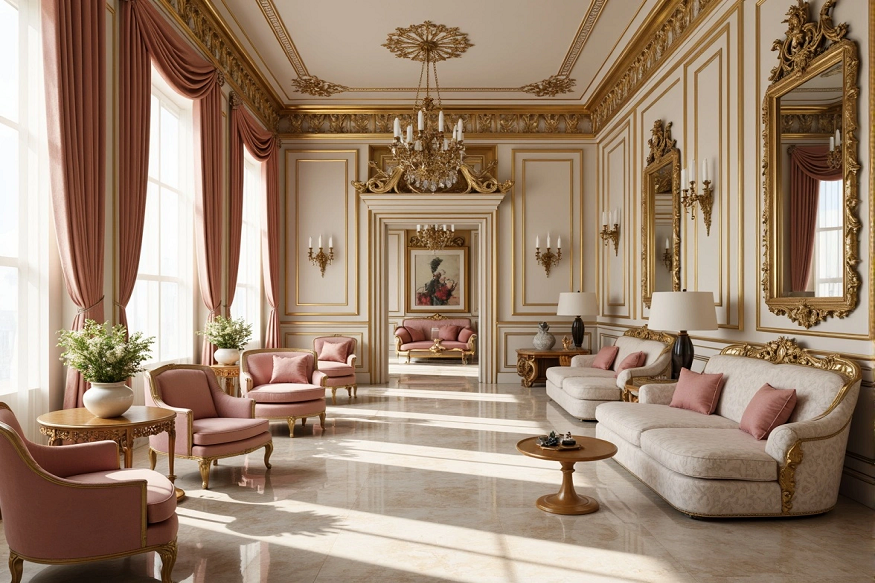
Dubai’s property market continues to attract investors from around the world. Strong rental demand, tax advantages and a steady influx of professionals make it one of the most competitive markets in the region. But in a city known for its standards, simply owning a property is not enough. Presentation matters. Design plays a direct role in how quickly a property lets and how much rent it commands.
Landlords who work with a luxury interior designer in dubai often see the difference immediately. Thoughtful layouts, durable finishes and tenant-focused styling can significantly improve rental yields. In areas such as Dubai Marina, Downtown Dubai and Business Bay, tenants expect quality. Interior design is no longer optional for serious investors. It is a strategy for maximising returns.
Understanding the Dubai Rental Landscape
Dubai attracts a wide range of tenants. Young professionals prefer modern apartments close to metro links. Families look for larger homes in established communities. Corporate tenants often seek furnished units in prime towers. Each group has different expectations, and design must reflect that.
In high-demand areas such as Jumeirah Village Circle and Palm Jumeirah, competition between landlords is strong. Tenants compare multiple properties before making a decision. A well-designed interior creates emotional appeal. It reduces void periods and supports stronger rental negotiations.
Why Interior Design Directly Impacts Rental ROI
Rental return is influenced by three factors: achievable rent, occupancy rate and long-term maintenance costs. Design affects all three. A well-presented property can command a higher monthly figure. It also attracts tenants who are willing to commit for longer leases.
Read More: Transforming Your Outdoor Space with Creative Hardscaping
Durability is equally important. Cheap materials may look attractive at first but can deteriorate quickly under tenant use. Frequent repairs eat into profit. Smart design balances aesthetics with practicality. It selects finishes that withstand wear while maintaining a premium feel.
Designing for Your Target Tenant
Before selecting furniture or finishes, investors must define their target tenant. A studio aimed at short-term corporate lets should feel sleek and hotel-inspired. A family villa requires warmth, storage and functionality. Design without clarity often leads to wasted spending.
For example, apartments near Dubai Internet City attract tech professionals who value clean lines and efficient layouts. Properties close to Arabian Ranches appeal to families who prioritise comfort and outdoor space. Tailoring the interior to the demographic increases perceived value.
Furnished vs Unfurnished: What Works Best?
In Dubai, furnished properties often achieve higher rental rates, particularly in central districts. Many expatriates relocate with limited belongings. A fully equipped apartment simplifies their move and justifies a premium price.
However, furnishing must be strategic. Overly personalised décor can alienate tenants. Neutral palettes, layered textures and contemporary pieces work best. The goal is to create a welcoming space that allows tenants to imagine it as their own home.
Layout Optimisation and Space Planning
Space is one of the most valuable assets in any investment property. Even larger apartments can feel cramped if poorly planned. Intelligent layout design improves flow and functionality without structural changes.
Open-plan living areas are highly desirable in Dubai’s apartment market. Removing unnecessary partitions, where permitted, can transform the feel of a unit. Built-in storage solutions also increase appeal, especially in one- and two-bedroom properties.
Material Selection for Longevity
Rental properties must endure regular turnover. Flooring, cabinetry and worktops need to handle daily use. Porcelain tiles often outperform natural marble in high-traffic apartments. Quartz worktops resist staining and reduce maintenance concerns.
Read More: Power Your Home: Benefits of Using Propane
Wall finishes should also be considered carefully. Washable paints allow easy refresh between tenancies. Simple design choices like these protect long-term profitability while maintaining a high-end look.
Kitchen and Bathroom Upgrades That Deliver Returns
Kitchens and bathrooms heavily influence rental decisions. Even minor upgrades can shift tenant perception. Modern cabinetry, updated lighting and sleek handles can elevate an outdated space without full renovation costs.
In bathrooms, replacing fixtures and adding contemporary mirrors improves visual impact. Frameless shower screens and neutral tiling create a clean, spacious feel. Tenants often associate updated bathrooms with overall property quality.
Lighting: The Underrated Profit Driver
Lighting transforms how a property photographs and feels during viewings. Harsh white lighting can make interiors appear clinical. Layered lighting creates warmth and depth.
Combine ceiling lights with floor lamps and under-cabinet strips in kitchens. In premium towers in Downtown Dubai, tenants expect ambience similar to upscale hotels. Good lighting supports that expectation and enhances perceived value.
Styling for Marketing and Viewings
Interior design extends beyond permanent fixtures. Styling plays a major role in marketing imagery. Professional photography highlights layout, light and proportions. A well-styled property stands out on portals and agency websites.
Estate agents frequently note that properties presented with cohesive décor receive more enquiries. Soft furnishings, artwork and carefully placed accessories create emotional appeal. This reduces the time a property sits vacant.
Smart Technology and Modern Expectations
Dubai tenants increasingly expect integrated technology. Smart thermostats, digital door locks and energy-efficient appliances enhance convenience. They also signal that the property is modern and well maintained.
Even mid-market apartments benefit from basic upgrades such as USB charging sockets and smart lighting controls. These additions are relatively low cost but increase tenant satisfaction and retention.
Balancing Luxury and Budget
Not every investment requires ultra-premium finishes. The key is alignment with location and rental bracket. Overspending in a mid-market building rarely translates into proportionate rent increases.
Investors should analyse comparable listings in the same tower or community. If neighbouring properties are basic, modest upgrades can create competitive advantage. If the building is positioned as luxury, design must match that standard to justify pricing.
Sustainability and Energy Efficiency
Sustainability is becoming more important in Dubai’s property market. Tenants are increasingly aware of energy usage. LED lighting, efficient air conditioning systems and insulated window treatments can reduce bills.
Eco-conscious upgrades not only appeal to tenants but may also lower operating costs. Over time, these savings contribute to stronger net returns. Sustainable design is both responsible and commercially sensible.
Working with Design Professionals
While some investors attempt DIY improvements, professional guidance often delivers better results. Designers understand supplier networks, cost control and tenant psychology. They also manage timelines efficiently.
Collaboration with experienced estate agents can further refine strategy. Agents provide insight into tenant feedback and rental trends. When design and market knowledge align, the outcome is a property positioned for maximum performance.
The Long-Term View on ROI
Interior design should not be viewed as a short-term expense. It is a long-term investment in asset performance. A well-designed property maintains desirability even as surrounding inventory grows.
In competitive districts like Dubai Marina, where new developments regularly enter the market, standing out is essential. Consistent occupancy, stronger rental income and reduced refurbishment cycles all contribute to improved overall returns.
Final Thoughts
Dubai offers significant opportunities for property investors. However, the market rewards those who approach investment strategically. Interior design is one of the most effective ways to differentiate a property and maximise rental income.
By understanding tenant expectations, selecting durable materials and presenting homes beautifully, landlords can protect and enhance their returns. In a city defined by ambition and quality, design is not just about appearance. It is about performance, profitability and long-term success.